
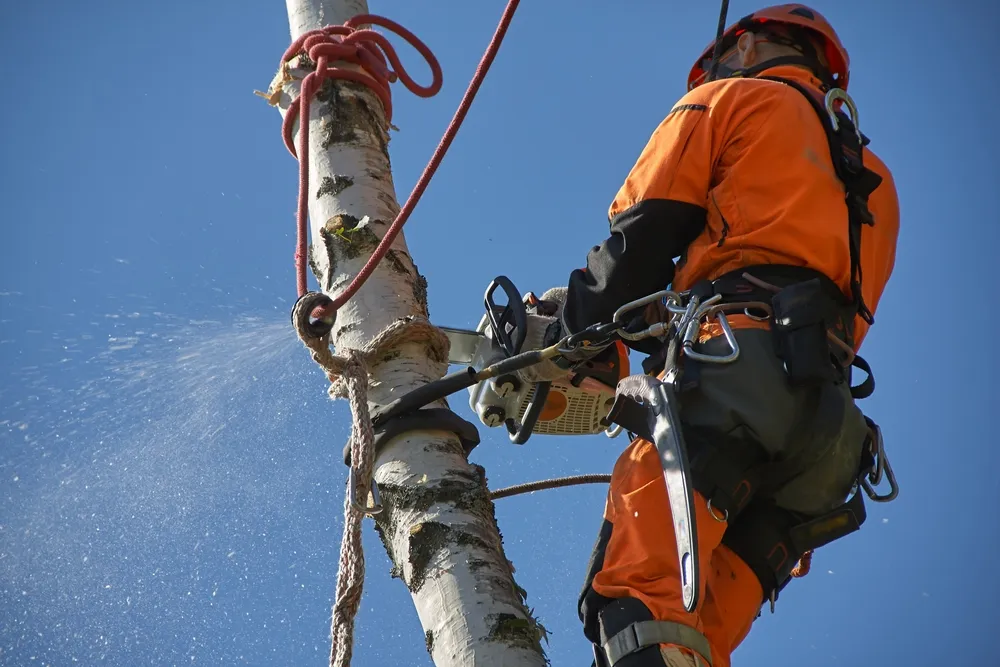
Tree removal is a hazardous task that requires meticulous planning and strict adherence to safety procedures. In many cases, a tree removal service is utilized to manage debris effectively during the cleanup process. This guide details the essential pre-removal, removal, and post-removal practices—including risk assessments, proper equipment use, and cleanup measures—to ensure safety and regulatory compliance during tree removal.
Effective tree removal begins with planning. A comprehensive risk assessment identifies hazards such as unstable branches, proximity to buildings or power lines, and uneven ground. Evaluating structural weaknesses and signs of disease provides a reliable basis for corrective measures.
A tree risk assessment involves a careful visual inspection for decay, pest infestations, or disease. Arborists may use resistance testing or core sampling to assess structural integrity. Identifying high-risk areas—such as dead limbs near pedestrian zones or hidden decay in the trunk—guides the decision to use support systems, like ropes or aerial lifts, to control falling branches safely.
Before removal, verify local, county, and state regulations. Permits are often required, especially in urban settings or when dealing with protected species. Regulatory guidelines may specify timeframes, conservation requirements, or mandate the involvement of certified arborists, helping avoid legal issues and fines.
Selecting a qualified arborist is pivotal. Look for certifications from reputable organizations, a documented track record, and familiarity with modern safety equipment, including chainsaws, cranes, and protective gear. Insurance coverage is also crucial to cover accidental damage or injuries.
During removal, actively manage hazards by establishing secure work zones, coordinating the use of equipment, and wearing personal protective equipment (PPE). Effective communication among team members is essential for adjusting to unforeseen hazards. Following clear protocols ensures a safe transition to emergency procedures if necessary.
Chainsaws should be fitted with chain brakes, regularly maintained, and used with hearing and eye protection. Operators must adhere to proper cutting patterns to prevent kickback. Cranes used to lift heavy sections require pre-use inspections to verify load limits, rigging, and stabilization. Effective communication using standardized signals minimizes accidental injuries.
When working at heights, fall protection is critical. Workers should wear harness systems, lanyards, and safety nets when performing elevated tasks, such as climbing or limb work. Regular inspections and proper training for fall arrest systems, as recommended by OSHA, help minimize the risk of falls and related injuries.
Working near power lines increases the risk of electrocution. Maintain a minimum safe distance of 10 feet and use non-conductive tools and protective gear. Prior coordination with local utility companies for temporary power shutdowns or de-energization, along with the setup of physical barriers, ensures additional protection.
After tree removal, thorough cleanup is crucial to prevent injuries and property damage. This includes safe operation of stump grinders, careful debris removal, and site management. Removing wood debris and large remnants, such as stumps, helps maintain a hazard-free environment.
Before using stump grinders, operators must inspect the equipment and ensure the stump is stable. Follow manufacturer guidelines strictly and work gradually to avoid sudden shifts in the remaining trunk. Supplemental treatments may be applied to accelerate decay and eliminate residual hazards.
Effective cleanup involves using chippers to break down large limbs into manageable chips and manually removing any remaining debris. Keeping pathways clear and conducting a final site inspection helps prevent slips, trips, and falls, ensuring the worksite remains safe after removal.
Ongoing maintenance—including regular inspections, proactive pruning, and trimming—helps identify early signs of disease or structural weakness before they become hazards. Maintaining trees reduces the need for emergency removals and prolongs their health and stability.
Different species have unique characteristics that influence removal safety. Oak, pine, and maple each require specific handling due to variations in wood density, branch weight, and structural configuration. Tailoring removal techniques and equipment to these differences minimizes risk.
Oak trees have heavy, robust limbs that pose a significant risk of branch drop. A thorough structural assessment is necessary, and using support systems such as ropes and aerial lifts can help control heavy branches. Awareness of oak-specific decay or hidden damage is essential for safety.
Pine trees have flexible branches and a resinous quality that can result in sudden resin splatter and branch snapping. Operators must use enhanced protective gear, like eye protection and face shields. Special assessment of the tree’s internal condition helps manage risks associated with pest infestations and structural failures.
Maples, often characterized by their widespread branches, require controlled segmentation and a clear workspace to prevent unpredictable falls. Scheduling removal during periods of lower moisture reduces the risk of brittle branch breakage, and using stabilizing equipment such as harnesses ensures safe handling.
Emergencies can occur rapidly, so an emergency response plan is imperative. This plan should include immediately stopping work, providing first aid, and securing the area. Regular review and training on emergency protocols ensure preparedness and swift, coordinated action.
In the event of an accident, secure the scene and call emergency services first. Evacuate injured workers to safety and administer immediate first aid. Document the incident details—including conditions, equipment involved, and protocol breaches—to improve future safety measures.
Contact emergency services immediately if a serious injury, unmanageable falls, or electrocution occurs. Have a predetermined communication protocol with local EMS and fire department contacts to ensure rapid intervention and assistance.
The use of proper safety gear is non-negotiable. Essential equipment includes hard hats, face shields, chainsaw chaps, gloves, and harness systems for fall protection. Specialized tools such as ropes, carabiners, aerial lifts, and stump grinders are critical to ensuring both worker and site safety.
Arborists must wear comprehensive PPE, including a hard hat with a chin strap, UV-protective eyewear, and high-visibility clothing. Gloves and non-slip, reinforced boots are necessary, along with fall arrest systems such as harnesses and lanyards, to protect against falling debris and unstable platforms.
Proper use of mechanized equipment requires rigorous training. Inspect chainsaws, cranes, and chippers before use, ensuring all safety guards are in place. Maintain correct stances while cutting, perform secure load calculations for cranes, and operate chippers with unobstructed access zones to prevent accidents.
Local regulations and insurance requirements are integral to safe tree removal. Adhering to permits and environmental guidelines ensures work is conducted legally. Adequate liability and workers’ compensation insurance protect against financial losses resulting from accidents.
Regulations may involve conditions for environmental protection, urban planning, and heritage conservation. Permits often dictate work distances from structures and specific removal timeframes. Compliance with these rules guarantees that tree removal meets community and environmental standards.
Insurance is essential to cover property damage, legal costs, and worker injuries. Local authorities require providers to maintain liability and workers’ compensation policies to demonstrate responsible business practices and safeguard clients against unforeseen risks.
Tree removal demands a methodical approach—from conducting a detailed risk assessment and using proper equipment to ensuring thorough cleanup and compliance with regulations. By following these guidelines, tailored to specific tree species and emergency procedures, professionals reduce hazards and protect both workers and the community. Commitment to proper safety gear, qualified expertise, and adherence to legal standards fosters a secure working environment and sustainable tree care.
Address: Granite Shoals, TX 78654
Phone: 512-848-8872
Business Hours:
Mon - Fri: 8:00 AM to 5:00 PM
Sat: 9:00 AM to 3:00 PM
Sun: Closed
military, first responder